Blog Posts

Get Your Hands Dirty: The Science Behind Gardening's Remarkable Health Benefits
Get Your Hands Dirty: The Science Behind Gardening's Remarkable Health Benefits
There is a reason so many people feel a deep sense of calm after spending an afternoon in the garden. It turns out that intuition is backed by a growing body of scientific research — and the evidence is compelling. From reduced depression to better physical health, gardening may be one of the most accessible and underappreciated tools for wellbeing we have.
The Big Picture: What the Research Shows
A landmark meta-analysis published in Preventive Medicine Reports examined 22 studies and 76 comparisons between gardeners and non-gardeners across the US, Europe, Asia, and the Middle East. The results were striking: gardening was associated with significant improvements across a wide range of health outcomes, including reductions in depression, anxiety, and BMI, as well as increases in life satisfaction, quality of life, sense of community, and cognitive function.
Crucially, the well-being benefits appeared even more pronounced than the physical ones — possibly because wellbeing is often measured on subjective scales and can show improvement more quickly, while objective physical changes like body weight take longer to manifest.
It's Good for Your Mind
Perhaps the most consistent finding across the research is gardening's positive effect on mental health. As a form of outdoor exercise and an opportunity to relax and connect with nature and others, gardening has been used as a therapeutic tool in diverse settings — including care homes and hospitals — and its potential benefits for mental wellbeing have been increasingly studied in recent decades.
One reason for this is likely rooted in how our brains respond to natural environments. Attention restoration theory suggests that the natural world is cognitively restorative, and that exposure to nature can allow recovery from the kind of mental fatigue that accumulates in modern urban life. Time in the garden, it seems, gives our overworked minds a genuine chance to reset.
It's Good for Your Body
Gardening also delivers meaningful physical activity. Research suggests that if older adults participated in daily gardening, they could meet recommended physical activity levels — at least 30 minutes of moderate-intensity exercise on most days. This is significant, because finding forms of movement that feel enjoyable and sustainable is one of the great challenges of preventive health.
A study of allotment gardeners in Tokyo found that, compared to non-gardeners, regular gardeners reported better perceived general health, fewer subjective health complaints, improved mental health, and stronger social cohesion.
Especially Beneficial for Older Adults
For older Australians, the benefits may be particularly significant. A University of Queensland study of 331 older adult gardeners found that gardening was far more than a casual leisure pursuit — participants saw it as central to their physical and psychological wellbeing. Key themes that emerged included connecting with nature, achieving something tangible, and the satisfaction of tending to living things. Many participants had even adapted or modified their gardening activities as they aged, finding ways to continue despite physical limitations.
More Than a Hobby — A Health Prescription?
Researchers have been bold in their conclusions. A BMJ Open scoping review concluded that gardens and gardening can improve health and wellbeing for people with a range of health and social needs, and suggested that the benefits could be used as a form of social prescription globally — particularly for those with long-term conditions.
Given its accessibility, policymakers and healthcare professionals are being encouraged to consider incorporating gardening into public health initiatives. The beauty of it is that gardening requires no expensive equipment, no gym membership, and no special training. A small patch of earth — or even a balcony of pots — can be enough to begin.
So the next time you're wondering whether to spend a Saturday afternoon weeding the veggie patch or pruning the roses, consider it a health investment. The science says your body and mind will thank you.
This article is for educational purposes and does not constitute medical advice. Please consult your healthcare practitioner before making significant changes to your diet or supplement routine.
Nourish From The Garden: Brassicas for Winter Health
Nourish From The Garden: Brassicas for Winter Health
Autumn brings glorious clear days with a hint of refreshing coolness in the air, as if inviting us to go outside and spend time in the garden. Here in subtropical south-east Queensland, now that the humidity and insects are giving us a reprieve, it’s a perfect time to plant the cool-season vegies that will nourish us through winter and into spring.
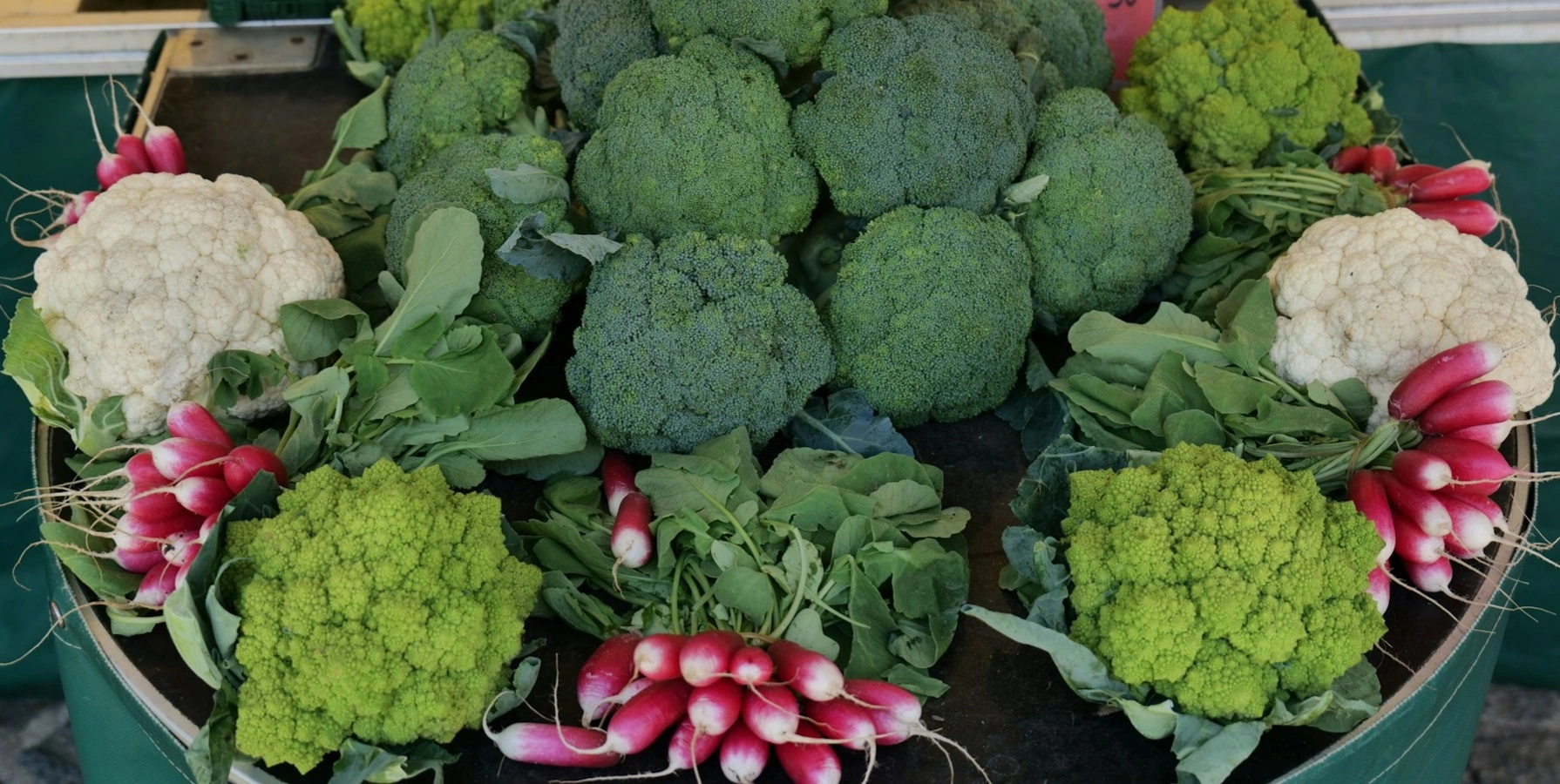
Some of my favourite vegetables to grow in this season are members of the cabbage family, botanically known as brassicas. This wonderfully diverse group of vegetables gives us leafy greens like pak choy, rocket, cabbage, mustard greens, kale and cress; the flower heads of broccoli and cauliflower; and roots of radishes, turnips and kohlrabi. Brassicas are also known as cruciferous vegetables, because the first leaves that emerge from the seed are shaped like a cross. They thrive in rich soil, with lots of organic matter; and with care, will reward you abundantly.
Nature's multivitamins
Brassicas earn their place in the winter garden not just for their versatility, but for what they do for our health. They're a good source of vitamin C and carotenoids to keep our immune systems strong, along with vitamin E for long-term protection against degenerative disease. Folate supports heart and neurological health, while vitamin K assists with bone strength and blood clotting. The leafy varieties also deliver calcium, magnesium and potassium: essential minerals for healthy muscles and a balanced nervous system. Broccoli can also accumulate selenium, a mineral that supports thyroid function and helps the body clear heavy metals.
The power of that peppery kick
Ever wondered why brassicas have that distinctive peppery bite? It comes down to a group of sulphur compounds called glucosinolates. As a general rule, the more pungent the flavour - think radish or raw cabbage - the higher the glucosinolate content. Milder brassicas like pak choy and rocket contain smaller amounts.
Here's where it gets really interesting. When you cut or chew a raw brassica, an enzyme called myrosinase is activated, transforming those glucosinolates into powerful antioxidants. One of the most studied is sulphoraphane, which has been shown to support blood sugar and cholesterol control, reduce inflammation, protect the heart and kidneys, enhance liver detoxification, and even act as an antibacterial agent - particularly against Helicobacter pylori, the bacteria behind most stomach ulcers. Research also points to sulphoraphane's impressive anti-cancer properties, with studies showing a reduced risk of cancers of the digestive system, lungs, breast and prostate.
A note for thyroid health
If you have an underactive thyroid, it's worth knowing that large amounts of raw glucosinolate-rich brassicas may interfere with thyroid function, particularly if your iodine intake is low. The good news is that cooking - even stir-frying or steaming - reduces glucosinolate levels. Consuming iodine-rich foods like seafood and sea vegetables is another way to protect the thyroid.
Getting the most from your harvest
To really reap the benefits, aim for at least five servings of brassicas a week. If you're growing your own, that's easy to achieve. Varieties like rocket, pak choy, cress and radishes are quick and easy to grow, and are delicious in salads, stir-fries and sandwiches. Cabbage, cauliflower, turnips and kohlrabi take a little longer but are wonderfully suited to soups, curries and casseroles; just the thing for a cool winter evening. For the leafy varieties, gentle heat is your friend: a light steam or a last-minute toss into the pan preserves their flavour, vitamin C and folate.
Whether you're a seasoned gardener or just starting out, growing brassicas in the cool season is one of the most rewarding things you can do for your health and your plate. From a handful of peppery rocket leaves tossed through a salad, to a warming bowl of cauliflower curry on a chilly evening, these remarkable vegetables deliver a wealth of goodness in every bite. So, this season, give brassicas a little patch of good soil, some care and attention, and let your garden do what it does best — nourish you from the inside out.
References
Galanty A et al. (2024). Do Brassica vegetables affect thyroid function? – A comprehensive systematic review. Int. J. Mol. Sci. 2024 (25) 7 3988.
Osiecki H. n.d. The Nutrient Bible. 9th ed. A G Publishing, Australia.
Sanlier N, & Guler Saban M. (2018). The benefits of Brassica vegetables on human health. J. Human Health Res. 1:104.
This article is for educational purposes and does not constitute medical advice. Please consult your healthcare practitioner before making significant changes to your diet or supplement routine.
Food as Medicine: Reasons to Eat the Rainbow
Food as Medicine: Reasons to Eat the Rainbow
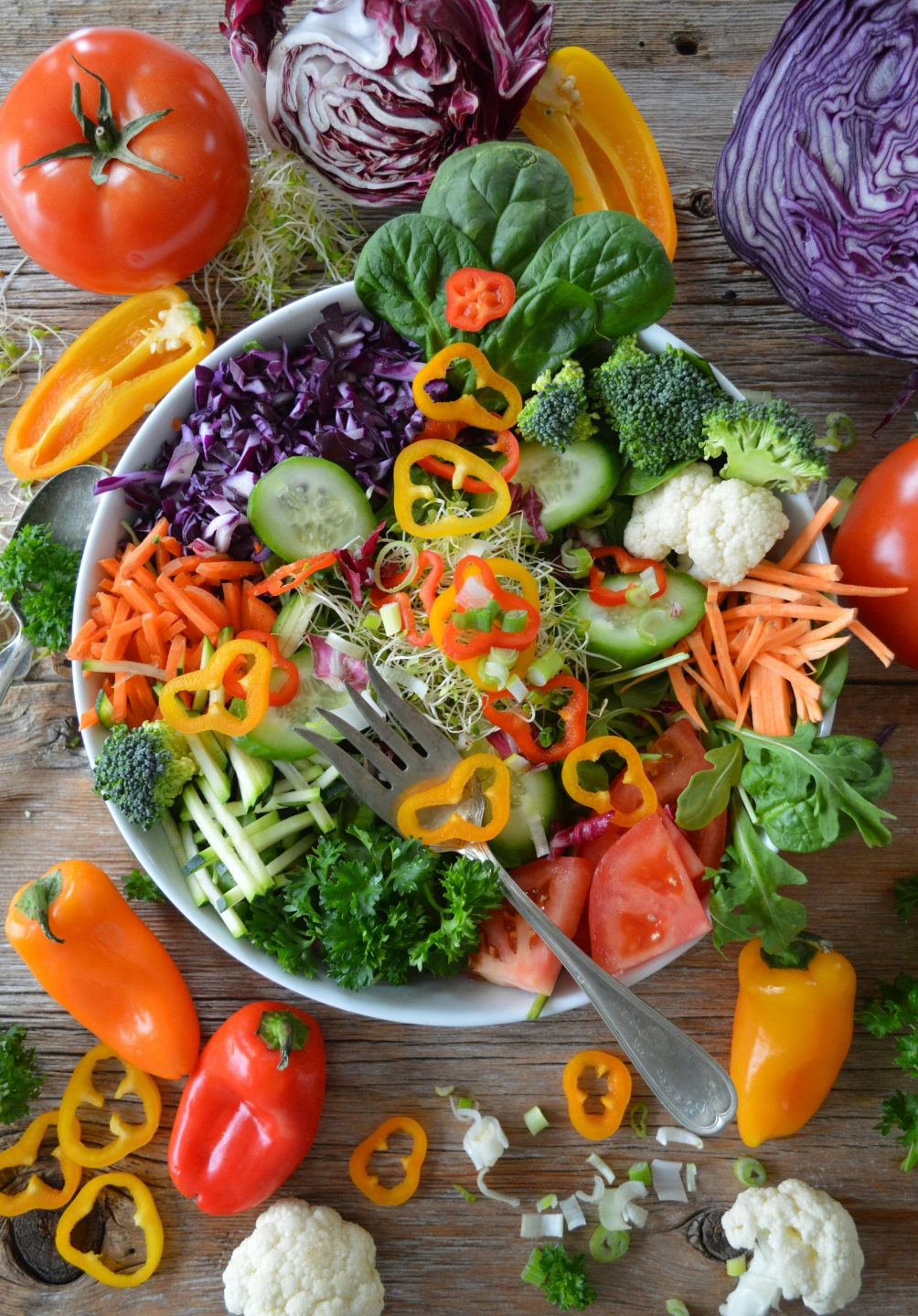
You have probably heard advice to eat the rainbow, but this is not just about making your plate look pretty. The vibrant colours of fruits and vegetables are nature's way of signalling the presence of powerful health-promoting compounds. From the deep purple of blueberries to the bright orange of sweet potato and the rich green of broccoli, each colour represents a unique family of plant chemicals working to protect and nourish your body from the inside out.
What Gives Plants Their Colour?
The colours in plant foods come largely from a group of compounds called polyphenols — natural chemical substances found in many plant foods. Polyphenols are structurally characterised by the presence of one or more phenol units and are widely distributed throughout the plant kingdom, with more than 8,000 different phenolic structures currently identified. They are, in fact, the most abundant antioxidants in the human diet.
The largest and most well-studied class of polyphenols is flavonoids, which include several thousand individual compounds and are responsible for many of the reds, purples, and blues we see in berries, grapes, and red cabbage. Other polyphenol groups include phenolic acids (found in coffee, whole grains, and berries), resveratrol (red wine and grapes), and curcumin (turmeric).
The Science Behind the Colours
At their core, polyphenols work as potent antioxidants. They neutralise free radicals — unstable molecules produced by normal metabolic processes and environmental exposures — that can damage DNA, proteins, and cell membranes if left unchecked. This process of cellular damage is known as oxidative stress, and it underpins many of the chronic diseases we see today, including cardiovascular disease, type 2 diabetes, cancer, and neurodegenerative conditions.
Polyphenols help restore balance by acting as reducing agents and hydrogen donors, effectively disarming these harmful molecules before they trigger a cascade of cellular damage. Numerous epidemiological studies correlate higher flavonoid intake with a reduced incidence of these very same chronic diseases.
Reasons to Eat Every Colour
🔴 Red & Purple — Heart and Brain Support
Red and purple foods such as blueberries, blackberries, cherries, red grapes, and red cabbage are rich in anthocyanins, a type of flavonoid with particularly strong antioxidant and anti-inflammatory effects. These pigments have been associated with improved cardiovascular health — supporting healthy blood vessels, reducing LDL cholesterol oxidation, and inhibiting platelet aggregation. Resveratrol, found in red wine and grape skins, has also attracted attention for its ability to improve blood vessel function and reduce inflammation.
Beyond the heart, anthocyanins are especially beneficial for brain health. Research suggests that polyphenol-rich foods like blueberries can improve blood flow to the brain, protect neurons from oxidative damage, and may reduce the risk of neurodegenerative diseases such as Alzheimer's.
🟠 Orange & Yellow — Immune Resilience and Cellular Protection
Orange and yellow fruits and vegetables — think carrots, pumpkin, sweet potato, mango, and papaya — are rich in carotenoids. These compounds have well-established antioxidant activity and play a role in supporting immune function and protecting cell membranes from oxidative damage.
🟢 Green — The many benefits of chlorophyll
Green vegetables including broccoli, spinach, asparagus, cucumbers, celery and lettuce owe their colour to chlorophyll, the molecule responsible for photosynthesis. While chlorophyll is not a polyphenol, its chemical structure is very similar to that of haemoglobin, the molecule on our red blood cells which transports oxygen to our tissues. Chlorophyll is an antioxidant, and has been shown to protect DNA against damage, thus having anticancer properties. Research also shows that chlorophyll has anti-inflammatory effects, and may play a role in preventing obesity.
🟡 Other flavonoids — Anti-Inflammatory Support
Onions, garlic, leeks, buckwheat and apples contain quercetin and other flavonoids with anti-inflammatory properties. Quercetin has been shown to reduce blood pressure and lower oxidised LDL levels in cardiovascular disease risk groups. Quercetin can help to reduce histamine levels, so is useful in the prevention of hayfever. Its antimicrobial actions can support the immune system in recovery from infection, which is why garlic or onion soup can help you feel better when you have a cold or the flu.
Eating the Rainbow in Practice
The diversity of polyphenols is part of what makes whole food nutrition so powerful — different colours provide different compounds, which work through different pathways. Eating a wide variety of colourful plant foods ensures broad-spectrum antioxidant and anti-inflammatory coverage that no single supplement can replicate.
Here are some simple ways to add more colour to your day:
Breakfast: Add berries to oats or yoghurt; make an omelette with tomatoes, spinach, capsicum, red onion and fresh green herbs such as parsley or rocket
Lunch: Build a salad with celery, red cabbage, grated carrot, and diced apple
Dinner: Roast a rainbow of vegetables — capsicum, purple eggplant, zucchini, red onion, sweet potato, and broccoli
Snacks: A handful of fresh vegetable crudites with an aioli dip
Drinks: Swap a sugary drink for green tea or a turmeric latte
It's also worth noting that organic cultivation has been associated with higher polyphenol content in fruits and vegetables. Where budget allows, choosing organic for polyphenol-rich produce may offer additional benefit.
References:
Blumfield M., et al. (2022). Should We 'Eat a Rainbow'? An Umbrella Review of the Health Effects of Colourful Bioactive Pigments in Fruits and Vegetables. Molecules. 2022;27(13):4061. doi:10.3390/molecules27134061
Lima, G. et al. (2014). Polyphenols in Fruits and Vegetables and Its Effect on Human Health. Food and Nutrition Sciences, 5, 1065–1082.
Liu, T. (2024). Polyphenols: The Power of Plant Compounds. Nutritional Supplements Directory.
Martins, T., Barros, A. N., Rosa, E., & Antunes, L. (2023). Enhancing Health Benefits through Chlorophylls and Chlorophyll-Rich Agro-Food: A Comprehensive Review. Molecules, 28(14), 5344. https://doi.org/10.3390/molecules28145344
Osiecki, H. (n.d.) The Nutrient Bible. A.G Publishing, Australia.
Patel, S., et al. (2019). Review on Bioactive and Antioxidant Potential of Coloured Fruits and Vegetables. Journal of Drug Delivery and Therapeutics. 9. 433-441. 10.22270/jddt.v9i2.2371.
This article is for educational purposes and does not constitute medical advice. Please consult your healthcare practitioner before making significant changes to your diet or supplement routine.
The power of purple: Foods for vascular health
The power of purple: Foods for vascular health
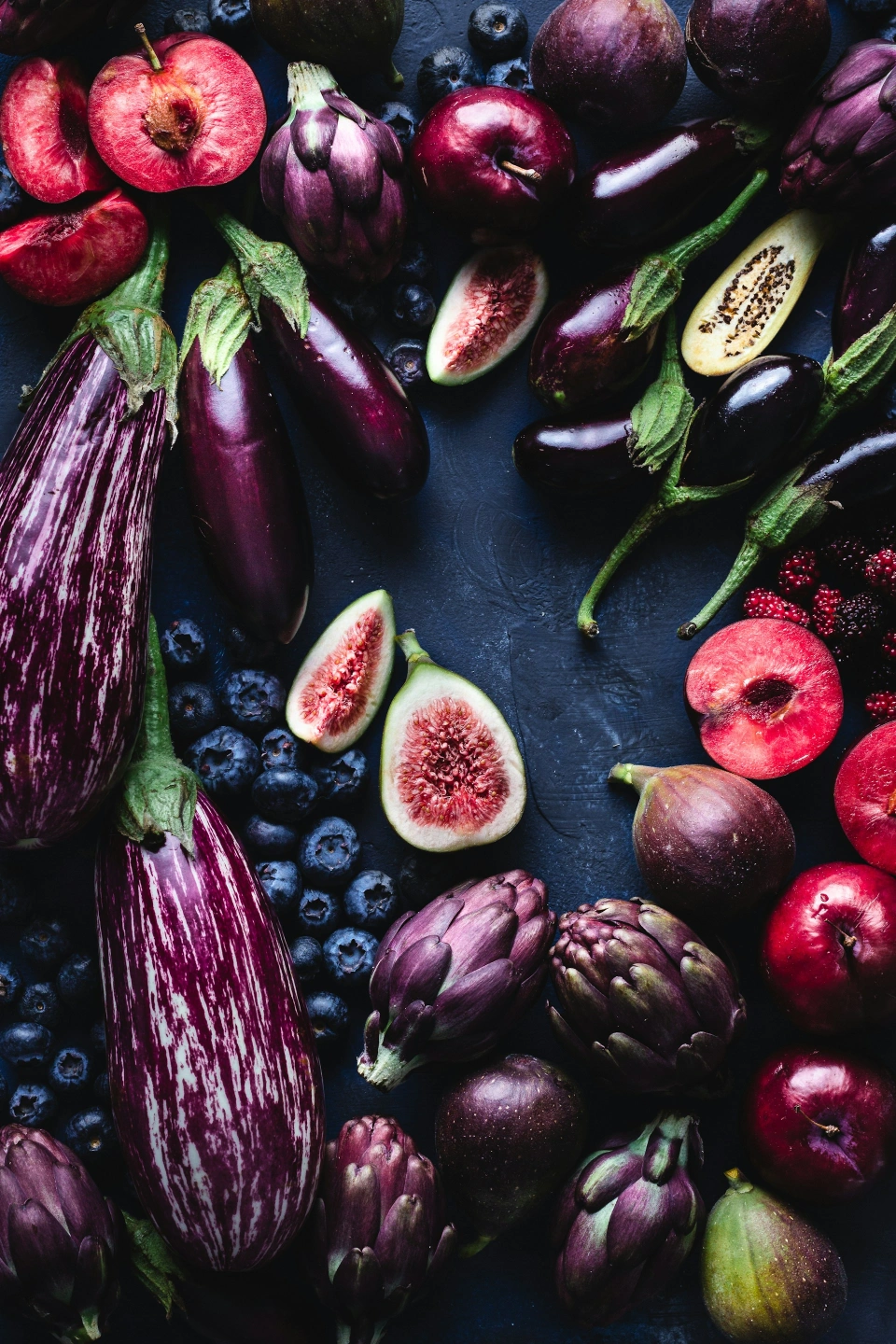
Have you ever noticed how some of the most vibrant foods in the produce aisle share the same deep, jewel-like hues: the inky blue of blueberries, the rich purple of eggplant, the dark red of cherries? That colour is no coincidence. It comes from a remarkable family of plant compounds called anthocyanins, and a growing body of research suggests they may be among the most powerful dietary allies your cardiovascular system has.
What Are Anthocyanins?
Anthocyanins are water-soluble pigments belonging to the flavonoid family of polyphenols. They are responsible for the red, purple, and blue colours seen in many fruits, vegetables, and flowers. More than 700 different anthocyanins have been identified in nature, and they are found in abundance in everyday foods including blueberries, blackberries, cherries, red grapes, pomegranate, strawberries, red cabbage, eggplant, purple fleshed sweet potato, black rice, and purple corn — to name just a few.
In plants, anthocyanins serve as a survival mechanism: attracting pollinators, deterring pests, and protecting against environmental stressors like UV radiation and drought. In humans, they appear to do something equally impressive — protect our blood vessels.
Why Vascular Health Matters
Your vascular system is the network of arteries, veins, and capillaries that carries blood — and with it, oxygen and nutrients — to every cell in your body. When this system is healthy, your arteries are flexible and responsive, your blood flows freely, and your heart works efficiently.
When vascular health declines, the consequences can be far-reaching. Arterial stiffness, poor endothelial function, inflammation, oxidative stress, and the build-up of atherosclerotic plaques are all linked to serious cardiovascular events including heart attack and stroke. Cardiovascular disease remains one of the leading causes of mortality worldwide, and many of its underlying risk factors — including diet — are modifiable.
This is where food becomes medicine.
What the Research Says
Protecting the Endothelium
The endothelium is the thin layer of cells lining your blood vessels. It plays a central role in regulating vascular tone, blood clotting, and inflammation. When endothelial function is impaired, blood vessels lose their ability to dilate properly — an early warning sign of cardiovascular trouble.
Anthocyanins have been shown to exert significant protective effects on the endothelium. A comprehensive review published in Biomolecules found that anthocyanins support endothelial function partly by increasing the production of nitric oxide (NO) — a molecule that signals blood vessels to relax and widen. This same mechanism also helps lower blood pressure and improve blood flow.
The strongest evidence for this comes from clinical measures of flow-mediated dilation (FMD) — the gold-standard non-invasive measure of vascular reactivity. A systematic review and meta-analysis published in Nutrients, which pooled data from 24 randomised controlled trials, found that anthocyanin consumption significantly improved FMD both after a single dose and with ongoing supplementation. This is meaningful: even a one-off intake of anthocyanin-rich food showed measurable improvements in how well the arteries could dilate.
Anti-Inflammatory and Antioxidant Actions
Oxidative stress and chronic low-grade inflammation are fundamental drivers of vascular damage. Anthocyanins counter both of these processes through multiple pathways.
The Biomolecules review highlights that anthocyanins inhibit COX-1 and COX-2 enzymes (the same enzymes targeted by anti-inflammatory medications), reduce the production of pro-inflammatory cytokines, and act as potent antioxidants that neutralise free radicals before they can damage vessel walls. They also have antiglycation activity — meaning they help reduce the harmful effects of elevated blood sugar on blood vessels, which is particularly relevant for those managing insulin resistance or diabetes.
Effects on Cholesterol and Blood Fats
Dyslipidaemia (abnormal levels of cholesterol and triglycerides in the blood) is considered a cardiovascular risk factor. A review published in Nutrients found that anthocyanins support the regulation of both glucose and lipid metabolism. Evidence suggests regular intake can reduce LDL cholesterol, lower triglycerides, and support healthy HDL levels. These lipid-lowering effects complement the direct vascular benefits, creating a multi-pronged approach to cardiovascular protection.
A Bridge Between Heart and Brain
Emerging research is drawing attention to the relationship between vascular health and cognitive function. Healthy blood flow to the brain is essential for memory, concentration, and protection against age-related cognitive decline.
A 2024 systematic review published in Molecular Nutrition & Food Research reviewed 20 randomised controlled trials examining anthocyanins and both vascular and cognitive outcomes. The review found positive effects on verbal and working memory, supported by neuroimaging studies demonstrating increased blood flow in brain regions involved in these functions. The mechanism? Anthocyanins appear to enhance cerebral blood flow by improving endothelial function and nitric oxide availability in the small blood vessels of the brain — a compelling reminder that what is good for the heart is also good for the mind.
Large epidemiological studies support this connection. The Iowa Women's Health Study, which followed over 34,000 postmenopausal women for 16 years, found that a diet rich in anthocyanidins was associated with the lowest risk of all-cause mortality, coronary heart disease, and cardiovascular disease. And data from the Framingham Offspring Cohort showed that individuals with the highest anthocyanin intake had a significantly lower risk of developing Alzheimer's disease or dementia over a 19-year follow-up period.
Purple Foods to Add to Your Plate
The good news is that eating for vascular health can be as simple and delicious as adding more colour to your meals. Here are some of the richest dietary sources of anthocyanins:
Blueberries — just half a cup provides around 121 mg of anthocyanins, a meaningful therapeutic dose
Blackberries and blackcurrants — among the most concentrated sources available
Cherries — both sweet and tart varieties, also excellent for inflammation
Red and purple grapes — and their fermented counterpart, red wine, in moderation
Mulberries
Pomegranate
Strawberries
Eggplant (aubergine) — particularly in the skin
Red cabbage
Purple fleshed sweet potato
Black rice and purple corn
Aim for one to two portions of anthocyanin-rich fruits or vegetables daily. These can be fresh, frozen, or in unsweetened juices, as research suggests the bioactivity is well preserved across these forms.
A Note on Bioavailability
Anthocyanins are, interestingly, among the least well-absorbed polyphenols. However, this does not diminish their clinical relevance. Much of their biological activity occurs in the gut, where they interact with the microbiome and are converted into bioactive metabolites that are then absorbed and exert their effects throughout the body. In fact, the colonic fermentation of anthocyanins appears to increase beneficial gut bacteria including Bifidobacterium and Lactobacillus — another pathway through which these compounds support broader health.
The key takeaway for practical purposes: eating more anthocyanin-rich foods regularly, rather than relying on occasional large doses, appears to be the most beneficial approach.
The Naturopathic Perspective
In naturopathic practice, food is always our first medicine. The research on anthocyanins beautifully illustrates why: a diet rich in deeply coloured fruits and vegetables addresses cardiovascular risk through multiple simultaneous pathways: reducing inflammation, protecting the endothelium, improving lipid profiles, supporting healthy blood pressure, and even protecting brain health.
Rather than viewing heart health as something to be addressed only when problems arise, a food-first approach invites us to build resilience proactively, one colourful meal at a time.
If you'd like personalised guidance on using diet and nutrition to support your vascular health, please get in touch to book a consultation.
References
Ellis, L.R., Boesch, C., & Dye, L. (2024). Effects of Anthocyanins on Cognition and Vascular Function: A Systematic Review. Molecular Nutrition & Food Research, 68(13), 2300502. https://doi.org/10.1002/mnfr.202300502
Fairlie-Jones, L., et al. (2017). The Effect of Anthocyanin-Rich Foods or Extracts on Vascular Function in Adults: A Systematic Review and Meta-Analysis of Randomised Controlled Trials. Nutrients, 9(8), 908. https://doi.org/10.3390/nu9080908
Mozos, I., et al. (2021). Effects of Anthocyanins on Vascular Health. Biomolecules, 11(6), 811. https://doi.org/10.3390/biom11060811
Panchal, S.K., et al. (2022). Anthocyanins in Chronic Diseases: The Power of Purple. Nutrients, 14(10), 2161. https://doi.org/10.3390/nu14102161
This article is for educational purposes and does not constitute medical advice. Please consult your healthcare practitioner before making significant changes to your diet or supplement routine.

The Many Benefits of Garlic and Onions
The Many Benefits of Garlic and Onions
Two kitchen staples with powerful, evidence-based health benefits.
Garlic (Allium sativum) and onion (Allium cepa) have been used medicinally for thousands of years; and modern science is now confirming what traditional healers long understood. Both belong to the Allium family and are rich in bioactive compounds, including organosulfur compounds (such as allicin), quercetin, polyphenols, and a range of vitamins and minerals. Together, these constituents act through multiple pathways to support immunity, heart health, and healthy ageing.
Protection Against Colds, Flu, and Respiratory Infections
This is perhaps garlic and onion's most well-known benefit. A 2023 clinical trial published in Nutrients followed elderly residents of care facilities who took a daily standardised garlic and onion extract for 36 weeks. Those taking the extract had significantly fewer respiratory tract infections than the placebo group; and when they did get sick, their symptoms were fewer and shorter in duration.
This protective effect is supported by research demonstrating that garlic extract has broad antimicrobial activity against respiratory pathogens. A study published in the Journal of Pharmacovigilance of found that a combination of garlic extract and honey showed significant antibacterial activity against common respiratory tract infection-causing bacteria. Beyond killing pathogens directly, Allium compounds also help modulate immune function: supporting a well-calibrated immune response year-round, not just when illness strikes.
Heart Health: Cholesterol, Blood Pressure, and Vascular Function
Cardiovascular disease is a leading cause of death in older adults, making this one of the most important areas of Allium research. A 2024 randomised, double-blind, placebo-controlled trial in Nutrients found that a standardised garlic and onion extract produced significant reductions in LDL cholesterol and total cholesterol in people with mildly elevated levels over just 8 weeks. Blood pressure and markers of oxidative stress and inflammation also improved.
A 2025 review focused specifically on older adults confirmed that regular garlic consumption may lower blood pressure, reduce platelet aggregation, and improve overall vascular function; including reducing aortic stiffness, a key marker of cardiovascular ageing. Onion contributes similarly, with its high quercetin content offering antioxidant protection for the cardiovascular system.
Anti-inflammatory and Antioxidant Effects
Chronic inflammation and oxidative stress underpin most age-related diseases. Both garlic and onion are rich in antioxidant compounds that help neutralise free radicals and reduce inflammatory activity. The 2025 Journal of Functional Foods review confirmed that allicin, quercetin, and sulphur compounds provide key antioxidant properties validated in both preclinical and clinical studies. The same effects were observed in the 2024 clinical trial, where inflammatory and oxidative markers measurably decreased in participants taking the garlic-onion extract.
Cancer Prevention: Encouraging Evidence
A review by researchers from the National Cancer Institute found associations between Allium vegetable consumption and reduced risk of certain cancers, particularly gastrointestinal cancers. In one double-blind randomised controlled trial, a higher dose of aged garlic extract reduced the risk of new colorectal adenomas by 50%. Onion's sulphur compounds have also been identified as potentially cancer-protective through anticancer and antimutagenic mechanisms. While the clinical evidence is still developing, it consistently points in a promising direction.
Simple Ways to Use More Garlic and Onion
Getting the benefits doesn't require supplements — though standardised extracts have been used in most clinical trials. Some practical tips:
• Let crushed garlic sit for 10 minutes before cooking to maximise allicin formation.
• Use raw garlic in dressings and dips for the highest bioactive content.
• Choose red onion where possible; it is particularly high in quercetin.
• If considering a standardised extract for therapeutic purposes (e.g. cholesterol or immune support), speak with your naturopath to find a quality product and appropriate dose.
Garlic and onions are among the most versatile and well-researched medicinal foods available. Safe, affordable, and backed by a growing body of clinical evidence, they deserve a prominent place in any healthy ageing strategy.
References
1. Alemseged M, Adugna S, Bayu E (2018) Antibacterial Properties of Mixture Honey and Garlic (Allium Sativum) Extracts Against Respiratory Tract Infection Causing Bacteria. Journal of Pharmacovigilance 6: 267. https://doi:10.4172/2329-6887.1000267
2. Akeredolu, O.A. et al. (2025). Potential effects of garlic supplementation in older adults on a long-term cardiovascular disease risk. Agriculture, Food and Natural Resources Journal, 4(1), 179–184. https://doi.org/10.5281/zenodo.15113837
3. Garcia-Garcia, J. et al. (2023). Beneficial Effects of Daily Consumption of Garlic and Onion Extract Concentrate on Infectious Respiratory Diseases in Elderly Resident Volunteers. Nutrients, 15(10), 2308. https://doi.org/10.3390/nu15102308
4. Gupta, A.J., Kaldate, S., Volaguthala, S., & Mahajan, V. (2025). Onion nutritional and nutraceutical composition and therapeutic potential of its phytochemicals assessed through preclinical and clinical studies. Journal of Functional Foods, 129, 106889. https://doi.org/10.1016/j.jff.2025.106889
5. Nicastro, H.L., Ross, S.A., & Milner, J.A. (2015). Garlic and Onions: Their Cancer Prevention Properties. Cancer Prevention Research, 8(3), 181–189. https://doi.org/10.1158/1940-6207.CAPR-14-0172
6. Vezza, T. et al. (2024). LDL-Cholesterol-Lowering Effects of a Dietary Supplement Containing Onion and Garlic Extract Used in Healthy Volunteers. Nutrients, 16(16), 2811. https://doi.org/10.3390/nu16162811
Photo credit: Nick Fewings via Unsplash

From Immunity to Brain Health: Seven Reasons to Enjoy Citrus
From Immunity to Brain Health: Seven Reasons to Enjoy Citrus
Oranges, lemons, limes, mandarines, grapefruit: we are blessed with an abundance of citrus during the cooler months. Scientists have been studying citrus fruit for decades, and it turns out these juicy, zesty favourites do a lot more than brighten up your fruit bowl. They’re packed with vitamin C, fibre, and a family of plant antioxidant compounds called flavonoids that support your immune system, your heart, your gut, and even your brain. Here are seven reasons to make citrus a daily habit, backed by research.
1. Citrus packs a serious nutritional punch
Here’s the thing about citrus: it gives you a lot for very little. A single orange, grapefruit or mandarine provides about half of your daily vitamin C needs; as well as folate, potassium, fibre, and a dose of provitamin A, and a diverse range of natural flavonoids that can’t be matched by a vitamin pill.
While flavonoids are found in almost all parts of citrus fruits, they are typically concentrated in the fruit peels. Oranges and mandarines are the best source of nobiletin; grapefruit and sour oranges are rich in naringin and naringenin; and lemons are rich in eriocitrin. Hesperidin is abundant in sweet oranges, mandarines, and lemons. The pulp of pink-fleshed citrus, especially varieties of grapefruit and sweet orange, owe their colour to lycopene; whereas the rich hues of blood oranges are due to the presence of anthocyanins. Lycopene is known for its benefits for prostate health among other things, and anthocyanins support blood vessel health.
2. It gives your immune system real backup
Vitamin C is the reason citrus has such a healthy reputation, and it’s well earned. It helps your white blood cells do their job, and clinical studies have found it can shorten how long a cold sticks around and ease how rough it feels.
Vitamin C isn’t working alone, either. Citrus flavonoids seem to pitch in too: lab studies have found that compounds like hesperidin and naringenin can block the tools that viruses like the flu and coronaviruses use to enter cells and multiply. Your morning orange or grapefruit might be doing more than you think.
3. It can help keep your metabolism on track
“Metabolic syndrome” is the term doctors use for a combination of high blood sugar, high LDL cholesterol, and extra weight around the middle. It raises your risk of type 2 diabetes and heart disease. This happens to be one of the best-researched areas of citrus science: study after study has linked citrus compounds to a lower risk of developing metabolic syndrome and the health problems that come with it.
Some citrus flavonoids, including hesperidin, naringin, and nobiletin, slow down the enzyme that breaks starch into sugar, helping stop blood sugar spikes after a meal. Naringin in particular has shown promise for improving how well your body responds to insulin and helping clear excess fat from the liver, by switching on the body’s natural fat-clearing process: which is relevant given how common fatty liver issues have become.
4. It’s good for your heart
Large population studies keep turning up the same pattern: people who eat plenty of flavonoid-rich foods like citrus tend to have lower rates of heart disease and related deaths, thanks to better cholesterol, steadier blood sugar, and healthier blood vessels. In one trial, people with mildly high blood pressure who drank a high-flavonoid citrus juice for five weeks saw a meaningful drop in their diastolic blood pressure compared with those drinking a low-flavonoid version. Animal studies back this up too: naringin and naringenin appear to reduce artery-clogging plaque, protect heart cells after a simulated heart attack, and improve cholesterol levels.
5. It keeps your gut happy
Remember that pith and those stringy bits in citrus segments? They’re mostly pectin, a soluble fibre your gut bacteria love. Unlike the fibre in cereal and grains, pectin is fermented easily by gut bacteria, producing short-chain fatty acids that feed and protect the gut lining. Citrus flavonoids seem to go a step further: in animal studies on gut inflammation and a damaged gut lining, naringin calmed inflammation, strengthened the tight junctions that hold gut cells together, and helped rebalance gut bacteria toward a healthier mix. So citrus isn’t just feeding your gut, it may be helping protect it too.
6. It may help protect your brain as you age
This is where citrus research gets really interesting. Limonene, the compound that gives citrus peel its zingy smell, has been shown in lab studies to protect brain cells from the kind of damage seen in Alzheimer’s disease, by calming oxidative stress and keeping cell signalling working properly. Then there’s nobiletin, a flavonoid in citrus peel that researchers are particularly excited about: studies suggest it can help reduce the build-up of the sticky amyloid plaques linked to Alzheimer’s, while also supporting brain pathways involved in memory and learning, with similar encouraging effects seen for dopamine activity in models of Parkinson’s disease.
7. It may even play a role in cancer prevention
Citrus is rich in a few compound families — flavonoids, limonoids, and coumarins — and researchers have linked these to a lower risk of several cancers, including stomach, breast, lung, bowel, and liver cancer, in laboratory and animal studies. In cell studies, a compound called β-cryptoxanthin, found in mandarines, triggered cervical cancer cells to self-destruct by switching on the body’s natural cell clean-up process. Citrus limonoids like limonin and nomilin did something similar to pancreatic cancer cells. Naringenin and hesperidin are also being studied for their ability to slow tumour growth and spread in breast cancer. It’s still early-stage research, mostly in cells and animals, but it’s a promising thread — and one more reason to make citrus part of your everyday plate.
The takeaway
From a quick vitamin C hit to exciting early research on brain health and cancer prevention, citrus is one of nature’s best all-rounders. It’s a great reason to grow at least one tree if you can: even a dwarf lemon or lime in a container, or a few varieties if your backyard has the space. If you intend to eat the peel of the fruit, please choose unwaxed fruit (organically grown if possible), and give them a wash before using.
Here are a few easy ways to work more citrus into your day:
• Have half a pink grapefruit with breakfast, and eat the white pith as well. Here’s a tip: a small slice of cheese eaten straight afterwards will take the bitterness away and help to protect your teeth from the acidity of the juice
• If you’re craving something sweet, an orange or mandarin makes a refreshing snack, or a light dessert after dinner
• Take the zest from a lemon or lime, and combine with the juice as a simple salad dressing, or over grilled fish
• Slice a lemon or lime, place in a teapot and pour hot water over, to extract the flavonoids: drink either warm or chilled
• A mug of warm lemon and honey drink is comforting and helps recovery from colds and flu: dissolve a teaspoon of honey in a little warm water, add the juice of one lemon, then top up with warm water
One quick note: if you’re on regular medication, chat with your naturopath or doctor first, since citrus (especially grapefruit) can interact with certain drugs. Otherwise, enjoy — your body will thank you.
References
Addi M, Elbouzidi A, Abid M, Tungmunnithum D, Elamrani A, Hano C. An Overview of Bioactive Flavonoids from Citrus Fruits. Applied Sciences. 2022; 12(1):29. https://doi.org/10.3390/app12010029
Borghi, S.M., & Pavanelli, W.R. (2023). Antioxidant Compounds and Health Benefits of Citrus Fruits. Antioxidants, 12(8), 1526. https://doi.org/10.3390/antiox12081526
Lv, X., Zhao, S., Ning, Z., Zeng, H., Shu, Y., Tao, O., Xiao, C., Lu, C., & Liu, Y. (2015). Citrus fruits as a treasure trove of active natural metabolites that potentially provide benefits for human health. Chemistry Central Journal, 9, 68. https://doi.org/10.1186/s13065-015-0145-9
Saini, R.K., Ranjit, A., Sharma, K., Prasad, P., Shang, X., Gowda, K.G.M., & Keum, Y.S. (2022). Bioactive Compounds of Citrus Fruits: A Review of Composition and Health Benefits of Carotenoids, Flavonoids, Limonoids, and Terpenes. Antioxidants, 11(2), 239. https://doi.org/10.3390/antiox11020239
Turner, T., & Burri, B.J. (2013). Potential Nutritional Benefits of Current Citrus Consumption. Agriculture, 3(1), 170–187. https://doi.org/10.3390/agriculture3010170
Xu, Y., He, P., He, B., & Chen, Z. (2025). Bioactive flavonoids metabolites in citrus species: their potential health benefits and medical potentials. Frontiers in Pharmacology, 16, 1552171. https://doi.org/10.3389/fphar.2025.1552171
Zacarías-García, J., Karp, D., Roberts, J., Tornero-Raga, C., Zacarías, L., & Jesús Rodrigo, M. (2026). Lycopene in citrus fruit: biochemical mechanisms, molecular insights and health implications. Critical reviews in food science and nutrition, 1-19. https://doi.org/10.1080/10408398.2026.2625334
Photo credit: Bruna Branco via Unsplash

Coenzyme Q10: Heart Health and More
Coenzyme Q10: Heart Health and More
How this hardworking nutrient supports your heart, your energy, and the way you age.
If you have browsed the supplement aisle lately, you have probably noticed Coenzyme Q10, or CoQ10, sitting alongside the fish oil and magnesium. It is not just another trend. CoQ10 is a compound your body already makes and relies on every day, and understanding how it works can help you make more informed choices about heart health and healthy ageing as you get older.
What Is Coenzyme Q10, and Why Does the Heart Need So Much of It?
Coenzyme Q10 is a vitamin-like antioxidant found in nearly every cell of your body, with particularly high concentrations in tissues that demand the most energy, such as the heart, kidneys, liver and muscles.
Inside your cells' mitochondria, often described as the body's power stations, CoQ10 plays an essential role in the process that converts energy from food into usable cellular fuel. Without enough CoQ10, this energy production line slows down, and few organs feel that slowdown more than the heart, which beats roughly 100,000 times a day and cannot afford an energy shortfall.
CoQ10 has a second job that is just as important: it is one of the antioxidants your body produces on its own. In its active form (ubiquinol), it neutralises free radicals before they can damage the fats, proteins and DNA inside your cells. This matters because oxidative stress, the cumulative wear and tear caused by these free radicals, is closely linked to both cardiovascular disease and the broader ageing process.
Coenzyme Q10 and Heart Failure: What the Q-SYMBIO Trial Found
Of all the research on CoQ10 and the heart, one study stands out for its size and rigour: the Q-SYMBIO trial. This multinational, randomised, double-blind study followed 420 people with moderate to severe chronic heart failure over two years, comparing CoQ10 (100 mg, three times daily) against placebo, alongside standard medications.
The results were striking. People taking CoQ10 had a 43 percent relative reduction in cardiovascular death and a 42 percent relative reduction in death from any cause, compared with placebo. They also had significantly fewer hospital admissions for worsening heart failure, and their heart failure symptoms improved more than in the placebo group.
Importantly, these benefits came on top of standard heart failure medications such as beta-blockers and ACE inhibitors, suggesting CoQ10 may offer something complementary rather than competing with conventional care. A follow-up analysis of the trial's European patients confirmed these findings held up within that sub-population too.
Why Coenzyme Q10 Naturally Declines as We Age
Your body's natural CoQ10 production peaks around your twenties and then gradually declines. By the time most people reach their 60s and 70s, tissue CoQ10 levels can be markedly lower than in early adulthood, and this decline tends to be most pronounced in the very organs that need CoQ10 most, including the heart.
It is also worth knowing that statins, commonly prescribed for cholesterol management, can further reduce CoQ10 levels. Statins block an early step in a biochemical pathway that produces both cholesterol and CoQ10, so lowering cholesterol can have the side effect of lowering CoQ10 too. This is one reason some practitioners consider CoQ10 status when supporting patients on long-term statin therapy.
A Broader Antioxidant and Anti-Inflammatory Ally
CoQ10's benefits extend beyond the cardiovascular system, which is worth knowing if you are thinking about healthy ageing holistically. Research shows CoQ10 can help regulate inflammatory pathways within cells. This is important because chronic, low-grade inflammation is now understood to underlie much of the ageing process itself, so is sometimes called inflammageing. The anti-inflammatory action of CoQ10 gives it relevance well beyond any single organ system, with generally favourable safety even at higher doses used over extended periods.
Coenzyme Q10 and Everyday Energy
Beyond its role in serious cardiovascular conditions, many people simply notice they feel more fatigued as they age, and CoQ10's energy-producing role in the mitochondria may be part of that story. Because CoQ10 is essential for converting food into usable cellular fuel, low levels have been linked to feelings of fatigue, particularly in people on statin therapy, those with fibromyalgia, and people experiencing general age-related tiredness. Research has shown that supplementation can be beneficial in such cases, and is generally well tolerated and safe at prescribed doses.
Practical Takeaways
• Food sources have limits: oily fish, organ meats, nuts and soy contain CoQ10, but typical dietary intake (around 3 to 5 mg per day) is unlikely to meaningfully raise blood levels in someone who needs more.
• Form and timing affect absorption: CoQ10 is fat-soluble, so it is best taken with a meal containing fat, and the reduced ubiquinol form generally absorbs better than standard ubiquinone, particularly in older adults.
• Talk to your practitioner first: this is especially important if you take blood thinners, blood pressure medication, or statins, so your care can be properly coordinated.
CoQ10 sits at an interesting intersection of cellular energy, antioxidant protection and cardiovascular health, and the decline we naturally experience as we age is one of the clearer, well-documented examples of how our biochemistry shifts over a lifetime. Whether you are supporting an existing heart condition or simply want to be proactive about healthy ageing, understanding how CoQ10 works gives you one more tool for an informed conversation about your long-term wellbeing.
If you would like to discuss whether CoQ10 supplementation is right for you, book a consultation and we can look at your full health picture together.
References
Aaseth, J., Alexander, J., & Alehagen, U. (2021). Coenzyme Q10 supplementation – In ageing and disease. Mechanisms of Ageing and Development, 197, 111521. https://doi.org/10.1016/j.mad.2021.111521
Cirilli, I., Damiani, E., Dludla, P. V., Hargreaves, I., Marcheggiani, F., Millichap, L. E., Orlando, P., Silvestri, S., & Tiano, L. (2021). Role of Coenzyme Q10 in health and disease: An update on the last 10 years (2010–2020). Antioxidants, 10(8), 1325. https://doi.org/10.3390/antiox10081325
Mortensen, S. A., Rosenfeldt, F., Kumar, A., Dolliner, P., Filipiak, K. J., Pella, D., Alehagen, U., Steurer, G., & Littarru, G. P. (2014). The effect of Coenzyme Q10 on morbidity and mortality in chronic heart failure: Results from Q-SYMBIO: A randomized double-blind trial. JACC: Heart Failure, 2(6), 641–649. https://doi.org/10.1016/j.jchf.2014.06.008
Rabanal-Ruiz Y, Llanos-González E, Alcain FJ. The Use of Coenzyme Q10 in Cardiovascular Diseases. Antioxidants. 2021; 10(5):755. https://doi.org/10.3390/antiox10050755
Sifuentes-Franco, S., Sánchez-Macías, D. C., Carrillo-Ibarra, S., Rivera-Valdés, J. J., Zuñiga, L. Y., & Sánchez-López, V. A. (2022). Antioxidant and anti-inflammatory effects of Coenzyme Q10 supplementation on infectious diseases. Healthcare, 10(3), 487. https://doi.org/10.3390/healthcare10030487
Testai L, Martelli A, Flori L, Cicero AFG, Colletti A. Coenzyme Q10: Clinical Applications beyond Cardiovascular Diseases. Nutrients. 2021; 13(5):1697. https://doi.org/10.3390/nu13051697
Varela-López A, Giampieri F, Battino M, Quiles JL. Coenzyme Q and Its Role in the Dietary Therapy against Aging. Molecules. 2016; 21(3):373. https://doi.org/10.3390/molecules21030373
Photo credit: Marek Studzinski via Unsplash
This article is for educational purposes and does not constitute medical advice. Please consult your healthcare practitioner before making significant changes to your diet or supplement routine.

Creatine and Healthy Aging: More Than A Sports Supplement
Creatine and Healthy Aging: More Than A Sports Supplement
For decades, creatine has been best known as a supplement for athletes and gym-goers chasing strength gains. But a growing body of peer-reviewed research tells a different story: creatine may be one of the most useful, well-studied nutrients for supporting healthy aging; from muscle and bone to heart, blood vessels, and brain. Here’s what the science actually shows.
What Is Creatine, and How Does It Work?
Creatine is a naturally occurring compound made from three amino acids: arginine, glycine, and methionine. Your body makes about half of what it needs each day in the liver, kidneys, and pancreas; the rest comes from your diet, primarily from red meat and fish. For most people eating a mixed diet, a typical day’s intake provides 1–2 g of creatine. About 95% of your body’s creatine is stored in skeletal muscle, with smaller but important amounts in the brain, heart, and other tissues.
Inside cells, creatine is converted into phosphocreatine, which acts as a rapidly available energy reserve. When cells need quick energy (during a muscle contraction, a burst of brain activity, or a stressed heartbeat), phosphocreatine donates a phosphate group to instantly regenerate ATP, the body’s primary energy currency. This buffering system is especially valuable in tissues with high and fluctuating energy demands, like muscle, brain, and heart.
Muscle Maintenance and Strength
This is creatine’s best-established benefit, and it matters enormously for healthy aging. From our mid-30s onward, we naturally lose muscle mass, strength, and functional capacity: a process called sarcopenia when it becomes clinically significant. This loss contributes to frailty, falls, and loss of independence later in life.
Multiple clinical trials in older adults have found that creatine supplementation combined with resistance training produces greater gains in muscle mass, strength, and bone density than resistance training alone. Benefits have been shown in older men, postmenopausal women, and even frail older adults who could only manage light training. Some research suggests creatine alone, without exercise, may help preserve muscle during periods of energy-restricted dieting, which is useful since weight-loss diets in older adults can otherwise cause unwanted muscle loss alongside fat loss.
Heart and Vascular Health
The heart is a hard-working, energy-hungry muscle, and like skeletal muscle, it relies on the creatine-phosphocreatine system to keep up with demand: particularly when oxygen supply is compromised, such as during ischemic events. Laboratory and clinical research has explored creatine’s role in supporting heart muscle energetics during these high-stress periods, and some trials in heart failure patients undergoing rehabilitation have shown improved exercise tolerance.
There’s also emerging interest in creatine’s effects on the blood vessels themselves. Small studies have found that creatine supplementation can improve markers of microvascular function, including skin capillary density and blood vessel responsiveness, and may modestly improve markers of arterial stiffness after exercise. Researchers believe several mechanisms may be at play: creatine appears to have direct antioxidant properties, can reduce levels of homocysteine (an amino acid linked to higher cardiovascular risk when elevated), and may help dampen inflammation: all relevant to vascular aging. While this area of research is still young compared to creatine’s muscle-building evidence, it’s a promising direction for an at-risk population: older adults.
Brain Health
The brain is metabolically demanding, using about 20% of the body’s resting energy despite its modest size, and it relies on the same creatine-phosphocreatine energy system as muscle. Creatine can cross the blood-brain barrier, though less efficiently than it enters muscle, and supplementation studies show modest increases in brain creatine content alongside benefits for cognitive tasks: particularly under conditions that stress brain energy supply, such as sleep deprivation or mental fatigue. Several trials in older adults have reported improvements in memory and processing speed with creatine supplementation.
Researchers are also investigating creatine’s role in supporting recovery after concussion and traumatic brain injury, and as a possible adjunct in mood and brain-energy-related conditions. This remains an active and evolving area of study, but the underlying rationale — that brain cells, like muscle cells, depend on healthy energy buffering — is well grounded in the biology of aging.
Special Considerations
Vegetarians and vegans: Since dietary creatine comes almost exclusively from animal products, those following plant-based diets typically have 20–30% lower muscle creatine stores than omnivores. The encouraging news is that this group tends to respond particularly well to supplementation, often showing larger relative improvements in both physical performance and cognitive measures once creatine stores are replenished.
Kidney and liver function: In healthy individuals, even long-term creatine use at standard doses (3–5 g/day) has not been shown to harm kidney function, despite a temporary, expected rise in creatinine (a normal breakdown product of creatine, not a sign of damage). That said, anyone with pre-existing kidney disease should discuss supplementation with their healthcare provider, as this population hasn’t been as thoroughly studied.
Other considerations: Mild, temporary water retention is the most commonly reported effect when starting creatine, particularly with higher “loading” doses. Most people tolerate a steady 3–5 g/day without needing a loading phase at all. As always, anyone on medications, managing a chronic health condition, or pregnant or breastfeeding should check in with their healthcare practitioner before starting any new supplement.
Creatine’s reputation as a sports supplement undersells what the research now shows: it’s a well-tolerated, extensively studied nutrient with a genuine role to play in healthy aging: supporting the muscles, heart, vasculature, and brain in ways that matter for staying strong, sharp, and independent for longer.
This article is for educational purposes and is not a substitute for personalised medical advice. Speak with your healthcare practitioner before starting any new supplement, particularly if you have an existing health condition.
References
Clarke, H., Kim, D., Meza, C. A., Ormsbee, M. J., & Hickner, R. C. (2020). The Evolving Applications of Creatine Supplementation: Could Creatine Improve Vascular Health? Nutrients, 12(9), 2834. https://doi.org/10.3390/nu12092834
Clarke, H., Hickner, R. C., & Ormsbee, M. J. (2021). The Potential Role of Creatine in Vascular Health. Nutrients, 13(3), 857. https://doi.org/10.3390/nu13030857
Forbes, S. C., Cordingley, D. M., Cornish, S. M., et al. (2022). Effects of Creatine Supplementation on Brain Function and Health. Nutrients, 14(5), 921. https://doi.org/10.3390/nu14050921
Forbes, S. C., Candow, D. G., Ostojic, S. M., Roberts, M. D., & Chilibeck, P. D. (2021). Meta-Analysis Examining the Importance of Creatine Ingestion Strategies on Lean Tissue Mass and Strength in Older Adults. Nutrients, 13(6), 1912. https://doi.org/10.3390/nu13061912
Gutiérrez-Hellín, J., Del Coso, J., Franco-Andrés, A., et al. (2025). Creatine Supplementation Beyond Athletics: Benefits of Different Types of Creatine for Women, Vegans, and Clinical Populations — A Narrative Review. Nutrients, 17(1), 95. https://doi.org/10.3390/nu17010095
Kreider, R. B., & Stout, J. R. (2021). Creatine in Health and Disease. Nutrients, 13(2), 447. https://doi.org/10.3390/nu13020447
Roschel, H., Gualano, B., Ostojic, S. M., & Rawson, E. S. (2021). Creatine Supplementation and Brain Health. Nutrients, 13(2), 586. https://doi.org/10.3390/nu13020586
Photo credit: Fat Lads via Unsplash

Fish Oil and Marine Omega-3s
Fish Oil and Marine Omega-3s
If you've ever wondered whether fish oil is worth taking, you're not alone. Marine omega-3s, found in fish, krill, and algae, are among the most researched nutrients in the world, studied for everything from heart health to brain function to joint pain. Here's a summary of some of the research.
DHA, EPA, and What Makes Them Special
Fish oil's benefits come down to two long-chain omega-3s: eicosapentaenoic acid (EPA) and docosahexaenoic acid (DHA). Your body can make small amounts from plant-based ALA (found in flaxseed and walnuts), but this conversion is inefficient, so oily fish (salmon, mackerel, sardines, anchovies) or a supplement remain the most reliable sources.
These fatty acids are structural components of your cell membranes. Once incorporated, they change membrane fluidity, the behaviour of membrane-bound proteins, and the signalling molecules your cells produce. EPA and DHA are also converted into specialised molecules that actively switch off inflammation once it's done its job: part of why omega-3s show up across so many conditions, with inflammation and cell membrane health as the common thread.
Cardiovascular Health
This is where omega-3 research is most extensive. People who eat more fatty fish, or who have higher EPA and DHA levels in their blood, consistently show a lower risk of coronary heart disease, heart attack, and cardiovascular death: a pattern confirmed across large meta-analyses involving hundreds of thousands of participants.
The mechanisms are well mapped: EPA and DHA lower triglycerides, modestly reduce blood pressure, improve heart rate variability, reduce inappropriate clotting, and improve blood vessel function. They also support the body's own antioxidant activity, healthy nitric oxide production, and more stable atherosclerotic plaques.
Cognitive Health
DHA is the dominant omega-3 in the brain, concentrated heavily in grey matter. Brain DHA naturally declines with age, more so in people with Alzheimer's disease: prompting research into whether boosting intake protects cognitive function.
Observational data is encouraging: higher DHA intake or blood levels are linked to lower dementia risk, with pooled analyses estimating roughly a 20% reduction. Omega-3s aren't a proven treatment for established dementia, but maintaining good status earlier in life is a sensible part of a broader brain-health strategy.
Autoimmune Conditions
Rheumatoid arthritis may benefit from fish oil's anti-inflammatory action. A review of 20 clinical trials in RA patients found 16 showed significant improvement in joint pain, stiffness, grip strength, and medication reliance.
Multiple sclerosis is another area of interest, given the role of inflammation in its progression. A systematic review found omega-3 and fish oil supplementation improved relapse rate, inflammatory markers, and quality of life in people with MS.
Cancer-Related Complications
The strongest evidence here relates to managing complications of cancer and its treatment. Cancer-associated cachexia (progressive muscle and fat loss affecting up to 80% of patients) is hard to reverse with standard nutrition alone. EPA has been studied for dampening the systemic inflammation driving this wasting, with some trials showing improved weight and lean mass at roughly 1.5g or more of combined EPA/DHA daily.
There's also early evidence for cancer pain, treatment-related depression, and other complications, centred on omega-3-derived pro-resolving mediators.
Skin Health
Skin is responsive to omega-3 intake, since fatty acid deficiency is linked to water loss and a compromised skin barrier. For dermatitis, studies suggest omega-3s can reduce dryness, itching, and inflammation. There's also reasonable evidence supporting faster wound healing and tissue repair. Think of fish oil as complementary to skin health, not a primary treatment for diagnosed skin disease.
Physical Performance and Muscle Function
Muscle mass and strength decline progressively with age, partly driven by chronic low-grade inflammation: making omega-3s of interest for preserving function. Proposed mechanisms include stimulating muscle protein synthesis, improving mitochondrial function, reducing inflammatory muscle breakdown, and improving insulin sensitivity.
Several trials show improved grip strength, lower-body strength, and walking speed in older adults: but meaningful effects appear to require adequate dose and sustained use, not short-term supplementation.
Potential Risks and Who Should Be Cautious
Fish oil has a good safety profile at typical doses, but a few things are worth knowing, especially at higher doses:
• Bleeding and medication interactions: Omega-3s have a mild antiplatelet effect. This rarely causes problems at typical doses, but can add to the effect of blood thinners like warfarin or aspirin, and caution is advised before surgery or dental work. Discuss with your doctor or pharmacist if you're on blood-thinning medication.
• Atrial fibrillation at high doses: Large cardiovascular trials using high-dose purified omega-3 found a modestly increased risk of this irregular heart rhythm — mainly relevant to pharmaceutical-strength use under medical supervision.
• Traumatic brain injury, an emerging caution: Omega-3s are often assumed protective for the brain, but recent 2026 research has complicated this in one specific context: repetitive brain injury. This is preliminary, mechanism-level research, not a clinical recommendation for the general population; but a reminder that context matters, particularly for contact-sport athletes.
• Seafood allergies: Most supplements are highly refined, but trace proteins can remain. Those with fish or shellfish allergy should consider algae-derived omega-3s instead.
• Poor quality products: Omega-3s become rancid with heat, light, and air exposure, losing potency, developing an off smell, and potentially becoming harmful. Store fish oil in the fridge and choose HASTA-certified products, which have also been screened for heavy metals and other contaminants (available through your qualified health practitioner).
As with most areas of natural medicine, the right approach isn't one-size-fits-all. If you're considering fish oil for a specific health goal, it's worth discussing your individual history, medications, and the most appropriate dose and form with your qualified health practitioner.
This article is for general educational purposes only and does not constitute individual medical advice. It is not intended to diagnose, treat, cure, or prevent any disease. Always consult your naturopath, GP, or other qualified healthcare provider before starting any new supplement.
References
Akbar, U. et al. (2017). Omega-3 fatty acids in rheumatic diseases: A critical review. Journal of Clinical Rheumatology, 23(6), 330–339. https://doi.org/10.1097/RHU.0000000000000563
AlAmmar, W. A. et al. (2021). Effect of omega-3 fatty acids and fish oil supplementation on multiple sclerosis: A systematic review. Nutritional Neuroscience, 24(7), 569–579. https://doi.org/10.1080/1028415X.2019.1659560
Calder, P. C. et al. (2018). Marine omega-3 fatty acids and cognitive decline. International Journal of Food Sciences and Nutrition. https://doi.org/10.1080/09637486.2018.1542666
Djuricic, I., & Calder, P. C. (2023). Pros and cons of long-chain omega-3 polyunsaturated fatty acids in cardiovascular health. Annual Review of Pharmacology and Toxicology, 63, 383–406. https://doi.org/10.1146/annurev-pharmtox-051921-090208
Freitas, R. D. S., & Campos, M. M. (2019). Protective effects of omega-3 fatty acids in cancer-related complications. Nutrients, 11(5), 945. https://doi.org/10.3390/nu11050945
Huang, T.-H. et al. (2018). Cosmetic and therapeutic applications of fish oil's fatty acids on the skin. Marine Drugs, 16(8), 256. https://doi.org/10.3390/md16080256
Innes, J. K., & Calder, P. C. (2020). Marine omega-3 (n-3) fatty acids for cardiovascular health: An update for 2020. International Journal of Molecular Sciences, 21(4), 1362. https://doi.org/10.3390/ijms21041362
Karakaya, E. et al. (2026). Eicosapentaenoic acid reprograms cerebrovascular metabolism and impairs repair after brain injury, with relevance to chronic traumatic encephalopathy. Cell Reports, 45(4), 117135. https://doi.org/10.1016/j.celrep.2026.117135
Mazzocchi, A., et al. (2024). Omega-3 polyunsaturated fatty acids and physical performance across the lifespan: A narrative review. Frontiers in Nutrition, 11, 1414132. https://doi.org/10.3389/fnut.2024.1414132
Troesch, B. et al. (2020). Expert opinion on benefits of long-chain omega-3 fatty acids (DHA and EPA) in aging and clinical nutrition. Nutrients, 12(9), 2555. https://doi.org/10.3390/nu12092555
Photo credit: Nong via Unsplash

Collagen
Collagen
You may have noticed collagen popping up everywhere: in powders, drinks, capsules, even coffee additives. But what is it actually doing in your body, and does the science back up the hype? Let's take a closer look.
What Is Collagen and What Does It Do?
Collagen is the most abundant protein in the human body, making up roughly a quarter to a third of our total protein content. Structurally, it's built like a rope: three amino acid chains wind around each other to form a triple helix, bundling into strong fibrils. There are at least 28 types of collagen; but type I accounts for more than 90% of the collagen in our bodies. It's found in skin, bones, tendons, ligaments and blood vessel walls, giving these tissues strength, elasticity and resilience, while also supporting wound healing and cell signalling. Type II collagen is found in joint cartilage, and type III supports organs such as the bowel, uterus and blood vessels.
The catch is that natural collagen production isn't permanent. Synthesis starts slowing by about 1% a year from early adulthood, and the drop is steeper around menopause, when women can lose up to 30% of their skin collagen within the first five years. This decline shows up as thinner, less elastic skin, achier joints, and gradual loss of muscle and bone strength: which is exactly why collagen supplementation has become such a hot topic in healthy ageing circles.
Dietary Sources of Collagen
Collagen is found in the connective tissue of animals: the skin, bones and cartilage of beef, chicken, pork and fish, as well as bone broth. Whole collagen molecules are quite large, though, so most supplements use hydrolyzed collagen (collagen peptides), broken down into smaller fragments that are far easier for the gut to absorb.
It's also worth remembering that your body needs the right raw materials to build its own collagen, regardless of supplement. Vitamin C is essential for collagen synthesis, so a diet rich in fresh fruit and vegetables such as tomatoes, capsicums and broccoli, supports your body's natural collagen-building machinery.
Collagen and Skin Health
Skin health is where the most extensive research has been carried out. A 2023 systematic review and meta-analysis pooling 26 randomised controlled trials and over 1,700 participants found that oral hydrolyzed collagen significantly improved both skin hydration and elasticity compared to placebo, with effects holding up across studies lasting two to twelve weeks.
A 2026 umbrella review (covering 16 systematic reviews and 113 trials with nearly 8,000 participants) reached a similar conclusion, reporting improvements in elasticity and hydration. Interestingly, skin roughness didn't show a significant benefit, suggesting collagen's strengths lie more in plumpness and suppleness than in smoothing texture.
Mechanistically, this tracks with skin biology: oral collagen peptides break down into bioactive fragments that enter the bloodstream and appear to stimulate fibroblasts, the cells responsible for producing new collagen and elastin. Most supported benefits come from around 2.5 to 15 grams daily for at least eight weeks, so consistency over a couple of months matters more than the exact dose.
Collagen's role in skin health extends beyond anti-ageing into wound repair. This has made collagen-based dressings a therapeutic tool, particularly for chronic wounds such as diabetic foot ulcers and burns. There's emerging evidence for oral collagen peptides in wound care too: small studies using collagen peptides derived from marine sources have shown improved wound healing outcomes.
Collagen for Muscles, Bones and Joints
This is where collagen gets particularly interesting for anyone focused on healthy ageing, since it touches muscle, bone and joint tissue all at once.
Muscle. A 2024 integrative review of eight randomised controlled trials found collagen peptides could reduce markers of exercise-induced muscle damage, including soreness and slower strength recovery after intense training, particularly with low molecular weight peptides. The 2026 umbrella review echoed this at scale, reporting a moderate increase in fat-free mass and improved muscle architecture. The most pronounced gains tend to appear in populations already vulnerable to muscle loss: a landmark trial in elderly men with sarcopenia found 15 grams daily, combined with resistance training, produced significantly greater gains in fat-free mass and strength than resistance training with a placebo.
Bone. Collagen forms the organic scaffold bone mineral is built upon. Postmenopausal women given 5 grams of collagen peptides daily for a year showed measurably better bone mineral density in the spine and femur compared to placebo, an effect attributed to collagen supporting osteoblast activity (the cells that build new bone).
Joints. This is arguably collagen's best-evidenced use case. A 2021 systematic review of 15 randomised trials concluded collagen peptides were most beneficial for improving joint function and reducing pain, with benefits in athletes with knee discomfort, ankle instability and Achilles issues. A 2024 placebo-controlled trial in adults with grade II–III knee osteoarthritis found six months of daily supplementation reduced pain and improved function. The 2026 umbrella review reinforced this, reporting high-certainty reductions in osteoarthritis pain across more than 2,500 participants, with longer supplementation linked to greater improvement: suggesting joint benefits are worth sticking with long-term.
Collagen and Digestive Health
The evidence here is newer and less extensive than for skin or joints, but early findings are promising. Collagen peptides appear to support gut lining integrity by strengthening the tight junctions between intestinal cells, which may help maintain healthy gut barrier function.
A small digital health study followed women with mild digestive symptoms (bloating, constipation and acid reflux) through eight weeks of daily collagen peptide supplementation (20 grams per day). The results were encouraging: 93% of participants who completed the study reported reduced bloating, with many also noting improved bowel regularity within days of starting.
Collagen is far more than a beauty trend — it's a structural protein with evidence-supported roles in skin elasticity and hydration, muscle and bone maintenance, joint comfort, and potentially digestive comfort too. Benefits tend to build gradually with consistent use over weeks to months rather than overnight, and supplement quality appears to matter for how well your body can use it. If you're considering adding collagen to your routine, it's worth chatting with your naturopath about the right form and dose for your needs.
This article is for general educational purposes only and is not intended as a substitute for personalised medical or naturopathic advice. Please consult your healthcare practitioner before starting any new supplement, particularly if you are pregnant, breastfeeding, or managing a health condition.
References
Abrahams, M., O’Grady, R., & Prawitt, J. (2022). Effect of a daily collagen peptide supplement on digestive symptoms in healthy women: 2-phase mixed methods study. JMIR Formative Research, 6(5), e36339. https://doi.org/10.2196/36339
Carrillo-Norte, J.A. et al. (2024). Oral administration of hydrolyzed collagen alleviates pain and enhances functionality in knee osteoarthritis: Results from a randomized, double-blind, placebo-controlled study. Contemporary Clinical Trials Communications, 43, 101424. https://doi.org/10.1016/j.conctc.2024.101424
Inacio, P.A.Q., et al. (2024). The effects of collagen peptides as a dietary supplement on muscle damage recovery and fatigue responses: An integrative review. Nutrients, 16(19), 3403. https://doi.org/10.3390/nu16193403
Khatri, M. et al. (2021). The effects of collagen peptide supplementation on body composition, collagen synthesis, and recovery from joint injury and exercise: A systematic review. Amino Acids, 53(10), 1493–1506. https://doi.org/10.1007/s00726-021-03072-x
Mathew-Steiner, S.S., Roy, S., & Sen, C.K. (2021). Collagen in wound healing. Bioengineering, 8(5), 63. https://doi.org/10.3390/bioengineering8050063
Pillai, N.S., et al. (2024). A comprehensive review on the role of collagen in health and disease. Biosciences Biotechnology Research Asia, 21(4). http://dx.doi.org/10.13005/bbra/3307
Pu, S.-Y., Huang, Y.-L., Pu, C.-M., et al. (2023). Effects of oral collagen for skin anti-aging: A systematic review and meta-analysis. Nutrients, 15(9), 2080. https://doi.org/10.3390/nu15092080
Ravindran, R., et al. (2026). Collagen supplementation for skin and musculoskeletal health: An umbrella review of meta-analyses on elasticity, hydration, and structural outcomes. Aesthetic Surgery Journal Open Forum, 8, ojag018. https://doi.org/10.1093/asjof/ojag018
Wang, H. (2021). A review of the effects of collagen treatment in clinical studies. Polymers, 13(22), 3868. https://doi.org/10.3390/polym13223868
Photo credit: Bhautik Patel via Unsplash